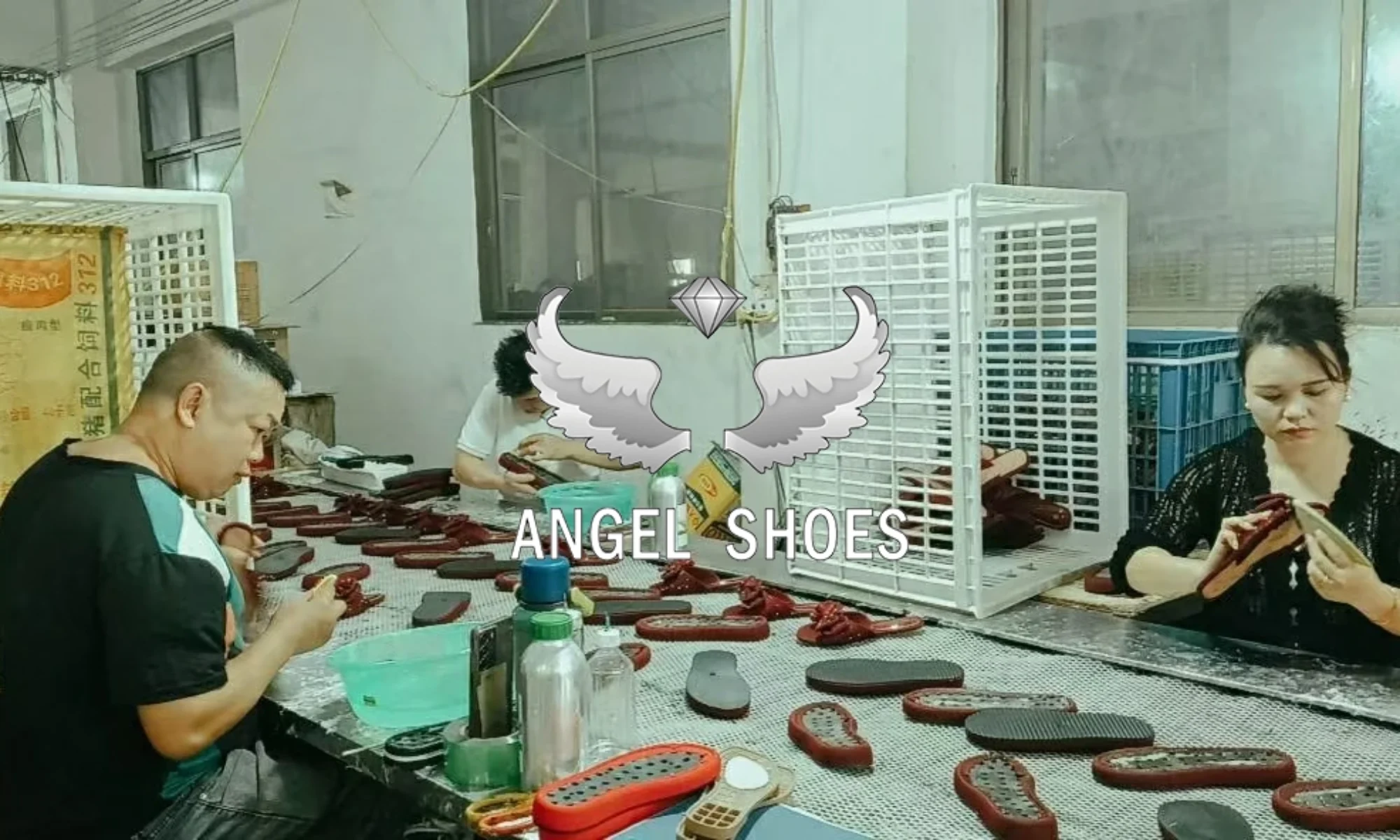
As high-frequency daily wear items, the comfort, durability, aesthetics, and even cost-effectiveness of women’s sandals and slippers are closely related to their manufacturing materials. Different materials vary significantly in terms of touch, breathability, water resistance, and load-bearing capacity, making them suitable for different occasions and wearing needs. Whether you’re pursuing comfort for daily leisure or stylish texture for summer outfits, understanding the core differences, advantages, and disadvantages of various materials is essential to accurately select the right items for yourself. This article will detailedly break down the mainstream manufacturing materials of women’s sandals and slippers, analyzing from upper to sole one by one, helping you easily understand the knowledge behind the materials.
I. Upper Materials: The Core Part Balancing Aesthetics and Comfort
The upper is the “face” of sandals and slippers, directly affecting the wearing experience and visual effect. Mainstream upper materials can be divided into two categories: natural materials and synthetic materials, each with distinct characteristics.
(I) Natural Materials
1. Genuine Leather (Full-Grain Cowhide, Sheepskin, Pigskin, etc.)
Core Differences: Genuine leather is directly processed from animal hides. Among them, full-grain cowhide has a natural texture and strong toughness; sheepskin is softer and more delicate to the touch, with better breathability than cowhide; pigskin has large pores, good breathability but relatively rough texture. Genuine leather uppers are usually made by cutting and sewing, with finely handled edges and a natural luster.
Pros: Excellent breathability, which can quickly drain foot sweat and avoid stuffiness and stickiness; fits the foot shape, gradually adapting to the curve of the foot as wearing time increases, and the comfort improves; high-end texture, with unique natural texture that enhances the grade of the item; strong durability, high-quality genuine leather uppers can be used for many years with proper maintenance.
Cons: High price, making it the mainstream material for mid-to-high-end sandals and slippers; afraid of water and moisture, easy to deform and mold after getting wet, affecting service life; requires regular maintenance, otherwise it is prone to cracking, fading and other problems; relatively heavy weight, which may increase the burden on the feet when worn for a long time.
Suitable Occasions: Business casual occasions, daily shopping, dates, etc., suitable for people with high requirements for texture and comfort.
2. Canvas
Core Differences: Canvas is woven from cotton or cotton-blend fibers, with a light texture and clear texture, commonly available in plain weave and twill weave. Canvas uppers are mostly decorated with printing, embroidery and other processes, with a casual and unrestrained style.
Pros: Good breathability, keeping cool and not stuffy feet when worn in summer; soft texture, fitting the feet without a sense of restraint; light weight, no burden when worn for a long time; affordable price and high cost-effectiveness; diverse styles, with various designs such as printed and solid colors available, suitable for various casual styles.
Cons: Poor water resistance, easy to get wet and deform after getting wet, and dry slowly; general wear resistance, easy to pill and damage after long-term friction; may shrink and fade after cleaning, affecting aesthetics.
Suitable Occasions: Daily home wear, short-distance travel, campus, beach vacations and other casual occasions.
3. Linen
Core Differences: Linen material is woven from linen fibers, with a rough and natural texture, and its breathability is one of the best among natural fibers. Linen uppers usually have a certain sense of wrinkles, with a simple and literary style.
Pros: Excellent breathability and fast heat dissipation, suitable for hot summer; good moisture absorption, which can quickly absorb foot sweat and volatilize it, keeping the feet dry; natural antibacterial, not easy to breed bacteria and odors; unique texture, strong literary atmosphere, suitable for simple dressing styles.
Cons: Relatively hard texture, new shoes may feel abrasive when worn, requiring a certain period of breaking-in; easy to wrinkle, and wrinkles are not easy to recover flat; poor wear resistance, not suitable for long-term walking or wearing on rough ground; higher price than canvas, slightly lower than genuine leather.
Suitable Occasions: Literary style dressing, beach vacations, daily walks and other occasions.
(II) Synthetic Materials
1. PVC (Polyvinyl Chloride)
Core Differences: PVC is a common plastic material, which can be hard or soft (flexible PVC). It can be made into various styles of uppers through injection molding, calendering and other processes, with rich colors, which can be transparent or printed.
Pros: Extremely low price and high cost-effectiveness; excellent water resistance, not afraid of water immersion, suitable for humid occasions such as beaches and bathrooms; bright and diverse colors, novel styles and strong fashion sense; easy to clean, just wipe with a damp cloth when stained with dirt.
Cons: Extremely poor breathability, easy to feel stuffy and sweat when worn in summer, and even produce odors; relatively hard texture, some styles may be abrasive to the feet; not environmentally friendly, and may cause pollution to the environment during production and disposal; general durability, easy to crack and harden when worn for a long time.
Suitable Occasions: Bathroom slippers, beach vacation slippers, affordable fashion sandals and other occasions.
2. PU (Polyurethane)
Core Differences: PU is a synthetic leather material, often used to imitate genuine leather. It can be made into textures and lusters similar to genuine leather through coating, embossing and other processes. PU uppers are soft in texture and lighter in weight than genuine leather.
Pros: Moderate price, between PVC and genuine leather; texture close to genuine leather, high aesthetics; light weight, no burden when worn; better breathability than PVC, some high-quality PU have a certain breathable hole design; good water resistance, not easy to deform; easy to clean and low maintenance cost.
Cons: Breathability is not as good as genuine leather, and may still feel stuffy when worn for a long time; general durability, easy to have coating peeling and cracking problems after a period of use; general environmental protection, some low-cost PU may contain pungent odors.
Suitable Occasions: Daily casual sandals, fashion slippers, commuting wear, etc., suitable for people pursuing a balance between texture and cost-effectiveness.
3. Mesh Fabric (Polyester Fiber, Nylon Blend)
Core Differences: Mesh uppers are woven from polyester fiber or nylon blend, using hollow weaving technology, with extremely strong breathability and light and transparent texture. Common types include single-layer mesh and double-layer mesh, some with elastic design.
Pros: Excellent breathability, the hollow design can quickly dissipate heat and drain sweat, making it an excellent choice for summer sandals; light and soft texture, fitting the feet without a sense of restraint; extremely light weight, no burden when worn for a long time; good elasticity, can adapt to different foot shapes; easy to clean, can be machine washed or hand washed, and dries quickly.
Cons: Poor water resistance, easy to get wet after getting wet. Although it dries quickly, it may feel uncomfortable when fitting the feet after getting wet; general wear resistance, sharp objects are easy to hook the mesh; relatively thin texture, lacking a sense of high-end.
Suitable Occasions: Sports sandals, daily casual sandals, summer short-distance travel and other occasions.
II. Sole Materials: The Key Support Determining Durability and Comfort
As the part directly in contact with the ground, the material of the sole directly affects the wearing comfort, slip resistance and durability. Different sole materials have great differences in softness, load-bearing capacity and slip resistance, and are suitable for different occasions.
1. EVA (Ethylene-Vinyl Acetate Copolymer)
Core Differences: EVA is a lightweight foam material, soft and elastic with low density, and is one of the most mainstream sole materials for sandals and slippers at present. It can be made into various shapes through injection molding technology, and the surface can be embossed to increase slip resistance.
Pros: Extremely light weight, almost no burden on the feet; soft and elastic texture, good shock absorption effect, comfortable to wear, not easy to feel tired when walking for a long time; good slip resistance, the surface embossing design can increase friction with the ground; excellent water resistance, not afraid of water immersion; affordable price and high cost-effectiveness; easy to process, can be made into soles of various thicknesses and styles.
Cons: General wear resistance, easy to wear and deform when walking on rough ground for a long time; limited load-bearing capacity, the sole may collapse when worn by people with large weight for a long time; easy to soften in high-temperature environment, may have deformation phenomenon.
Suitable Occasions: Daily home slippers, casual sandals, beach vacation shoes, etc., suitable for most daily occasions.
2. PVC Sole
Core Differences: Similar to the PVC material of the upper, the PVC sole is relatively hard with high density, and can be made through injection molding technology. It is common in affordable sandals and slippers, with diverse colors, some with luster.
Pros: Extremely low price and high cost-effectiveness; excellent water resistance, not afraid of water immersion, suitable for humid occasions; high hardness, not easy to deform, good load-bearing capacity; easy to clean, just wipe with a damp cloth.
Cons: Relatively hard texture, poor softness, low wearing comfort, easy to feel tired when walking for a long time; general slip resistance, especially easy to slip on wet ground; heavy weight, large burden on the feet; not environmentally friendly, difficult to degrade after disposal.
Suitable Occasions: Affordable bathroom slippers, beach slippers, disposable slippers and other occasions.
3. Rubber (Natural Rubber, Synthetic Rubber)
Core Differences: Natural rubber is made from the sap of rubber trees, soft and elastic; synthetic rubber is synthesized from chemical raw materials, with performance close to natural rubber and more affordable price. The surface of rubber soles usually has clear anti-slip lines and a relatively rough touch.
Pros: Excellent slip resistance, especially natural rubber, which can provide good grip on both dry and wet ground; soft and elastic texture, good shock absorption effect, comfortable to wear; strong wear resistance, suitable for long-term walking and wearing on rough ground; high durability, long service life under normal use; good water resistance, not afraid of water immersion.
Cons: Heavy weight, much heavier than EVA soles, which may burden the feet when worn for a long time; higher price than EVA and PVC, some high-quality natural rubber soles are close to genuine leather soles in price; natural rubber may age and harden in high-temperature environment.
Suitable Occasions: Sports sandals, outdoor sandals, daily commuting sandals, etc., suitable for people with high requirements for slip resistance and durability.
4. Genuine Leather Sole
Core Differences: Processed from animal hides, usually used with genuine leather uppers, with high-end texture and natural texture. Genuine leather soles are relatively hard, but will gradually soften and fit the foot shape as they are worn.
Pros: High-end texture, enhancing the overall grade of the item; good breathability, which can reduce the stuffiness of the sole; fits the foot shape, and the wearing comfort gradually improves; strong durability, high-quality genuine leather soles can be used for many years with proper maintenance.
Cons: Extremely high price, only used for mid-to-high-end sandals; general slip resistance, especially easy to slip on wet ground; afraid of water and moisture, easy to deform and mold after getting wet; requires regular maintenance, otherwise it is prone to cracking; heavy weight, large burden on the feet.
Suitable Occasions: High-end business sandals, sandals for formal occasions, etc., suitable for people with extremely high requirements for texture.
5. TPR (Thermoplastic Rubber)
Core Differences: TPR is a synthetic material with both rubber and plastic properties, soft and elastic, between EVA and rubber. It can be made through injection molding technology, and the surface can be embossed to increase slip resistance.
Pros: Good slip resistance, better than EVA and PVC, close to rubber; soft and elastic texture, comfortable to wear, good shock absorption effect; moderate weight, lighter than rubber and slightly heavier than EVA; strong wear resistance and high durability; good water resistance, not afraid of water immersion; easy to process, can be made into soles of various styles and colors; good environmental protection, recyclable.
Cons: Higher price than EVA and PVC, lower than natural rubber; may have slight softening phenomenon in high-temperature environment, but not easy to deform.
Suitable Occasions: Daily casual sandals, sports sandals, commuting slippers, etc., suitable for people pursuing a balance between slip resistance, comfort and cost-effectiveness.
III. Common Material Combinations and Purchasing Suggestions
(I) Mainstream Material Combinations
- PU Upper + EVA Sole: A cost-effective choice that balances aesthetics and comfort, suitable for daily casual occasions.
- Mesh Upper + TPR Sole: Breathable and non-slip, suitable for summer sports, short-distance travel and other occasions.
- Genuine Leather Upper + Rubber/TPR Sole: A mid-to-high-end combination that combines texture and durability, suitable for commuting, dates and other occasions.
- Canvas Upper + EVA Sole: Casual and unrestrained, high cost-effectiveness, suitable for home, campus and other occasions.
- PVC Upper + PVC Sole: Affordable and waterproof, suitable for humid occasions such as bathrooms and beaches.
(II) Purchasing Suggestions
- Choose materials according to occasions: For humid occasions (bathrooms, beaches), prioritize waterproof materials such as PVC, EVA, and rubber; for hot summer, prioritize breathable materials such as mesh, linen, and genuine leather; for sports occasions, prioritize the combination of mesh upper + rubber/TPR sole.
- Choose materials according to comfort: For softness and comfort, choose EVA, TPR, and sheepskin uppers; for fitting the foot shape, choose genuine leather and canvas materials.
- Choose materials according to budget: For limited budget, choose PVC, canvas, and EVA combinations; for moderate budget, choose PU, mesh + TPR combinations; for sufficient budget, choose genuine leather + rubber/genuine leather sole combinations.
- Pay attention to core performance: When purchasing, focus on checking whether the anti-slip lines of the sole are clear, whether the upper material is breathable, and whether the stitching is firm. Avoid choosing synthetic materials with pungent odors.
IV. Conclusion
There is no absolute superiority or inferiority in the materials of women’s sandals and slippers. The key is to match your own wearing needs and occasions. Natural materials excel in breathability, comfort, and high-end texture, but they are relatively expensive and require maintenance; synthetic materials excel in high cost-effectiveness, waterproof durability, and diverse styles, but some materials have poor breathability. For sole materials, it is necessary to focus on slip resistance and durability. EVA is suitable for daily leisure, rubber/TPR is suitable for sports and outdoor activities, and genuine leather is suitable for high-end occasions. It is hoped that through the analysis of this article, you can easily distinguish the characteristics of various materials and select the most suitable sandals and slippers for yourself, being comfortable and unrestrained as well as fashionable and appropriate in summer.
|(注:文档部分内容可能由 AI 生成)