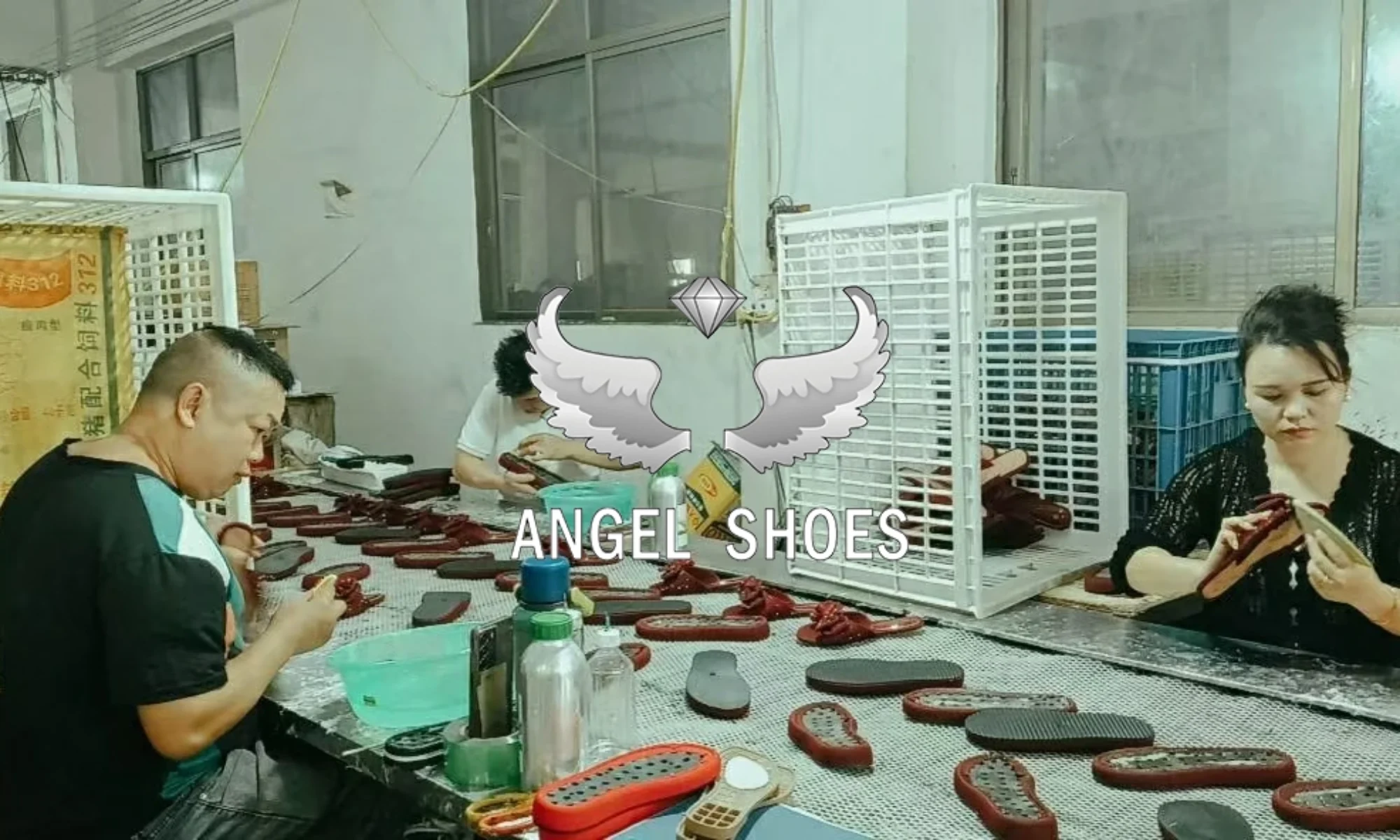
For global buyers and retailers looking to source women’s slippers, China has long been a go-to destination. With a mature supply chain, diverse design capabilities, and competitive pricing, Chinese suppliers offer unbeatable advantages for scaling your business. But how do you cut through the noise to find a reliable partner that meets your quality, design, and delivery needs? This guide breaks down why choosing Chinese suppliers makes strategic sense and shares proven ways to locate your ideal match.
Why Choose Chinese Suppliers for Women’s Slippers?
Before diving into the search process, it’s critical to understand why Chinese manufacturers stand out in the global slipper market. These core advantages directly translate to business success for buyers worldwide:
1. Mature Supply Chain & Mass Production Capabilities
China’s footwear industry boasts decades of development, forming a complete supply chain from raw material sourcing (fleece, cotton, EVA, rubber) to production, quality control, and export logistics. Major manufacturing hubs like Quanzhou, Ningbo, and Guangzhou are home to specialized factories that can handle both small-batch custom orders and large-volume wholesale requirements—some producing over 150,000 pairs daily. This scalability means you can easily adjust order quantities as your business grows, without compromising on delivery timelines.
2. Diverse Design & Style Adaptability
Chinese suppliers excel at catering to global fashion trends, offering an extensive range of women’s slipper styles to suit every market and preference. Whether you’re looking for plush winter booties, sleek minimalist slides, anti-slip indoor moccasins, or embellished fashion slippers with bows and embroidery, you’ll find options to match. Many manufacturers also provide custom design services, allowing you to tailor products to your target audience—from eco-friendly materials for sustainability-focused markets to size-specific fits for regional demands.
3. Competitive Pricing Without Sacrificing Quality
Thanks to economies of scale, efficient production processes, and local access to raw materials, Chinese suppliers offer highly competitive pricing compared to manufacturers in other regions. This cost advantage doesn’t mean cutting corners on quality: reputable suppliers implement strict quality control measures, with features like non-slip soles, memory foam cushioning, and breathable fabrics that meet international safety and comfort standards. For buyers, this translates to higher profit margins while delivering value to your customers.
4. Global Export Expertise & Support
Most established Chinese slipper suppliers have extensive experience in exporting to over 150 countries, including major markets like North America, Europe, and emerging regions such as Southeast Asia and Latin America. They understand international trade regulations, customs procedures, and documentation requirements (such as CE, FDA, or ISO certifications), reducing the risk of delays or compliance issues. Many also offer multilingual support, making communication seamless for non-Chinese speaking buyers.
Where to Find Reliable Chinese Women’s Slipper Suppliers
Now that you understand the benefits, let’s explore the most effective channels to find and vet reliable suppliers. Each method has its own advantages, so combining multiple approaches will help you build a trustworthy partner network.
1. Leading B2B Online Marketplaces
B2B platforms are the most convenient starting point for global buyers, offering access to thousands of verified suppliers in one place. The top platforms for sourcing Chinese women’s slippers include:
- Alibaba.com: As the world’s largest B2B marketplace, Alibaba hosts countless Chinese slipper manufacturers, from large-scale factories to specialized SMEs. You can filter suppliers by production capacity, certifications, minimum order quantity (MOQ), and customer ratings, making it easy to narrow down options. The platform also offers trade assurance services to protect your payment and ensure product quality matches your requirements.
- Global Sources: Focused on connecting international buyers with verified Chinese suppliers, Global Sources is ideal for buyers seeking premium or custom products. The platform features detailed supplier profiles, including production facilities and past export experience, and hosts online trade shows for virtual product inspections.
- Made-in-China.com: This platform specializes in Chinese manufacturers, with a strong focus on the footwear industry. It offers advanced search filters (e.g., “eco-friendly slippers” or “custom embroidered slippers”) and provides access to supplier certifications and audit reports to help you make informed decisions.
Tip: When using B2B platforms, prioritize suppliers with “Gold Supplier” or “Verified Supplier” badges, as these indicate the platform has verified their business credentials. Always read customer reviews and request product samples before placing large orders.
2. Industry Trade Shows & Exhibitions
Attending trade shows is a powerful way to meet suppliers face-to-face, inspect products firsthand, and build personal relationships—critical for long-term partnerships. Key events for sourcing Chinese women’s slippers include:
- Canton Fair (China Import and Export Fair): Held twice a year in Guangzhou, the Canton Fair is the largest trade show in China, attracting thousands of footwear manufacturers. It’s an excellent opportunity to see the latest slipper designs, negotiate terms directly, and meet multiple suppliers in one visit.
- Ningbo International Footwear Exhibition: Focused on coastal manufacturing hubs, this exhibition features specialized slipper manufacturers from Ningbo—a major center for cotton and plush slipper production.
- Global Footwear Shows (e.g., MICAM in Italy): While not held in China, major international footwear shows often have large Chinese supplier delegations, allowing you to connect with them in a global context.
3. Specialized Supplier Directories & Industry Associations
Supplier directories and industry associations are reliable sources for verified, high-quality manufacturers. Platforms like Thomasnet and Kompass list detailed profiles of Chinese slipper suppliers, including their production capabilities, certifications, and client reviews. Additionally, industry associations such as the China Leather and Footwear Industry Association (CLFIA) maintain databases of reputable suppliers and offer access to exclusive trade events and resources.
4. Social Media & Professional Networks
Social media platforms have become valuable tools for B2B sourcing. LinkedIn is particularly effective for connecting with Chinese supplier representatives and factory managers—use keywords like “Chinese women’s slipper manufacturer” or “slipper export supplier” to find relevant contacts. Visual platforms like Instagram and Pinterest can also help you discover suppliers with trendy designs, as many manufacturers showcase their products there to attract global buyers. Joining B2B sourcing communities (e.g., on Facebook or Reddit) can also provide referrals and insights from other buyers who have worked with Chinese suppliers.
5. Local Wholesale Markets & Factory Visits
For buyers willing to travel to China, visiting local wholesale markets and factories offers the most direct way to vet suppliers. Major footwear markets include:
- Guangzhou Baiyun World Footwear Trading Center: A hub for fashion footwear, including women’s slippers, with hundreds of supplier booths.
- Quanzhou Footwear Wholesale Market: Specializes in casual and sporty slippers, with access to nearby EVA and rubber manufacturers.
Arranging factory visits allows you to inspect production lines, quality control processes, and working conditions—ensuring the supplier meets your ethical and quality standards. Many suppliers also welcome factory tours for serious buyers, as it demonstrates a commitment to long-term collaboration.
Key Tips for Vetting Reliable Suppliers
Once you’ve identified potential suppliers, take these steps to verify their reliability:
- Request Documentation: Ask for business licenses, export certifications, and product test reports to confirm legitimacy and compliance.
- Order Samples: Test product quality, fit, and design before placing bulk orders. Pay attention to details like stitching, material durability, and comfort.
- Check References: Ask for contact information of past international clients and follow up to learn about their experiences with the supplier.
- Negotiate Clear Terms: Clarify MOQs, pricing, payment terms (e.g., L/C, T/T), delivery timelines, and return policies in writing to avoid misunderstandings.
Conclusion
Finding a reliable Chinese women’s slipper supplier is a strategic investment that can drive your business growth through quality, variety, and cost efficiency. By leveraging B2B platforms, trade shows, and professional networks—and taking the time to vet suppliers thoroughly—you can build a long-term partnership that meets your unique business needs. Whether you’re a small boutique retailer or a large-scale wholesaler, China’s slipper supply chain offers the flexibility and expertise to help you succeed in the global market.